Leading Renovation Company: Redesign Your Home With Skilled Craftsmanship
Choosing a top renovation firm is indispensable for refurbishing a space optimally. Expert craftsmanship can turn a vision into fruition, but not all contractors offer the same level of superiority. Potential clients should consider essential traits that distinguish the best from the rest. Understanding these factors can lead to a more pleasing remodeling venture. What should homeowners highlight to guarantee their project outperforms expectations?
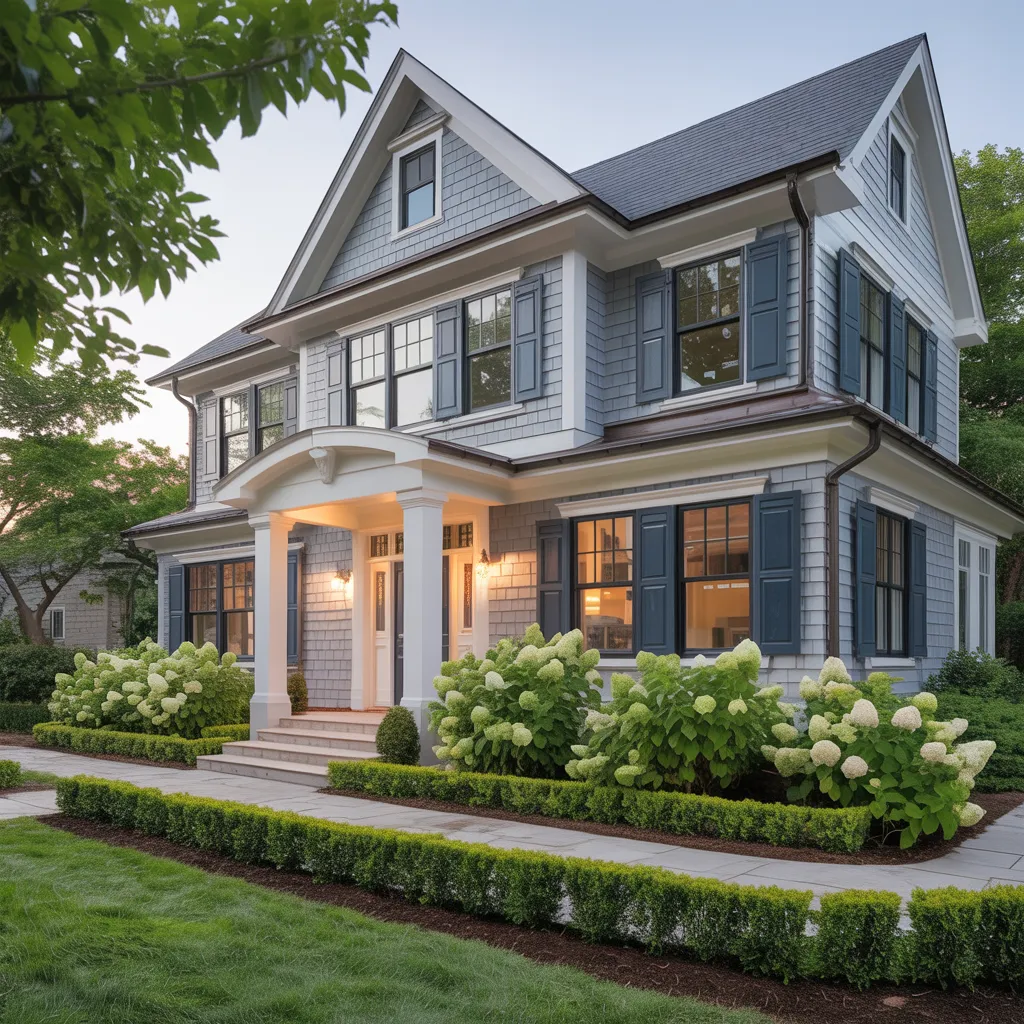
Why Finding the Correct Remodeling Contractor Makes a Difference
Picking the ideal renovation expert can significantly affect the final result of any home improvement project. A competent contractor not only offers expertise and skill but also supports productive dialogue and cooperative effort throughout the remodeling process. This relationship guarantees that the homeowner's aspirations is properly transformed into actual results, reducing miscommunications and expensive problems.
In addition, a credible contractor commonly maintains solid partnerships with suppliers and subcontractors, which may provide better pricing and access to quality materials. Punctuality is another critical factor; a dependable contractor maintains schedules, thereby preventing construction delays and inconvenience.
In juxtaposition, appointing an inexperienced or unqualified specialist can engender subpar execution, cost surpluses, and protracted timelines. Consequently, the necessity of careful vetting cannot be exaggerated, as it ultimately shapes the prosperity, proficiency, and satisfaction realized from the completed endeavor.
Important Attributes to Find in a Remodeling Expert
When finding a construction specialist, multiple important qualities can significantly impact the overall outcome. Most importantly, solid communication expertise are vital, allowing for clear discussions about project goals and timelines. Reliability is a critical characteristic; a trustworthy contractor should regularly fulfill timelines and maintain budgets.
Experience is notably significant as well; a specialist with a demonstrated expertise in comparable projects can deliver valuable perspectives and creative solutions. Additionally, meticulous attention to detail is critical, making sure that both visual appeal and practical function are factored in in the design process.
To conclude, a robust portfolio showcasing previous work can generate confidence in the contractor's competencies. By prioritizing these traits—communication, dependability, experience, precision, and a solid portfolio—homeowners can make educated picks when selecting a remodeling contractor, ultimately leading to a successful renovation of their space.
What Kinds of Remodeling Projects Are Popular?
What kinds of renovation undertakings grab homeowners' interest today? Bathroom and kitchen renovations top the rankings, as these spaces greatly enhance both practicality and aesthetics. Homeowners often seek contemporary designs, energy-efficient appliances, and premium materials. Open-concept living areas also remain popular, allowing for smooth transitions between spaces and creating a more welcoming atmosphere.
Outdoor social spaces are gaining popularity, with aspects including decks, patios, and outdoor kitchens becoming indispensable for entertaining guests. Basements are being converted into multipurpose zones, functioning as home offices, gyms, or additional recreational areas. Moreover, sustainability-driven initiatives are gaining momentum, with homeowners choosing eco-friendly solutions and designs.
Smart home technology integration remains increasingly sought after, giving homeowners the capability to oversee light settings, security features, and temperature systems easily. Such renovation movements indicate a yearning for improved living experience, customized according to personal choices and living patterns.
How to Review Prospective Contractors
Finding the right remodeling contractor is a vital step in guaranteeing a successful home project. To evaluate available contractors, one should begin by examining their qualifications, such as go now licenses and insurance. Validating these credentials protects against legal exposure and ensures compliance with local regulations.
Next, analyzing galleries of past projects gives insight into the contractor's style and craftsmanship. Customer feedback and citations can present important perspectives on consistency and work ethic. It is also necessary to take into account the contractor's experience in targeted renovation initiatives that match the homeowner's aspirations.
Furthermore, collecting multiple proposals allows a comparative review of fees and services rendered. Strong dialogue during the assessment timeline portrays skill and attentiveness. Ultimately, choosing a contractor who corresponds with both renovation scope and personal priorities can significantly shape the outcome of the renovation project.
What Critical Things Should You Question Before Selecting a Professional?
When engaging a remodeling contractor, it is vital to raise targeted questions that highlight their qualifications. Primary subjects of discussion include their experience and skill, alongside their licensing and insurance requirements. Moreover, grasping the projected timeframe and financial requirements connected to the job will facilitate a successful working relationship.
Background and Expertise
Evaluating the background and skill of a remodeling contractor is crucial for a positive project. Homeowners should inquire about the contractor's industry experience, focusing on their remodeling specialties. It's helpful to ask for a portfolio showcasing completed projects, as this provides insight into the contractor's workmanship and design aesthetic. Additionally, potential clients should seek references from past clients to gauge satisfaction and reliability. Understanding the contractor's approach to project management, timelines, and communication styles can further illuminate their expertise. Finally, discussing any ongoing training or certifications can reveal a commitment to keeping current with industry trends and techniques, ensuring a high-quality outcome for the remodeling project.
Licensing and Coverage Plans
It is crucial to ensure a remodeling contractor has the appropriate licensing and insurance to protect both the homeowner and the success of the project. Homeowners should inquire about the contractor’s licensing, confirming it complies with local regulations and industry standards. A valid license signifies that the contractor has met required qualifications and possesses the necessary skills. Insurance is equally important; it protects against potential liabilities, such as accidents or property damage during the remodel. Homeowners should demand proof of insurance coverage, including general liability and worker’s compensation. This proof not only minimizes risk but also promotes trust in the contractor’s professionalism. In conclusion, careful checks on licensing and insurance are critical steps in the hiring process for a remodeling contractor.
Project Duration and Budget
A clear knowledge of the timetable and expenditures is essential for homeowners before selecting a remodeling contractor. Homeowners should inquire about the expected timeframe of the project, including key milestones and potential delays. It is vital to obtain a detailed breakdown of costs, containing materials, labor, and any additional charges that may arise.
Contractors ought to offer a clear payment plan, outlining when payments are due and the conditions for each phase of the project. Homeowners ought to also discuss any contingencies for unexpected problems that might impact both timeline and budget. By addressing these elements upfront, homeowners can choose wisely and minimize misunderstandings, ensuring a smoother remodeling experience.
Planning Your Home Renovation Financial Plan
How can homeowners effectively allocate funds for a remodeling project? A well-structured budget is vital for keeping expenses under control. First, property owners should create a clear vision of their project, detailing specific goals and desired outcomes. Next, they should investigate typical prices for supplies and workforce in their area to create realistic estimates. It's recommended to reserve an extra 10-20% of the overall budget for unforeseen expenses, which can frequently occur during renovations.
Creating a budget for costs is essential; homeowners need to separate must-haves from nice-to-haves, allowing adjustments if required. Working with a credible remodeling contractor can offer insights into savings opportunities and cost-effective alternatives. Moreover, homeowners should maintain adaptability and receptiveness to adjustments during the process, as this adaptability can create a better outcome. Ultimately, careful consideration and active budgeting can substantially improve the remodeling experience.
Useful Tips for a Stress-free Remodeling Venture
In any renovation project, open dialogue between homeowners and contractors proves vital in ensuring success. Creating achievable timelines from the outset assists in controlling expectations and lessens stress throughout the process. By focusing on these aspects, homeowners can establish a more streamlined and enjoyable renovation experience.
Explicit communication is indispensable
Effective communication serves as the foundation of a thriving renovation undertaking. A clear exchange of ideas between the property owner and contractor ensures that expectations align from the outset. Frequent communications and check-ins assist in address concerns before they escalate, creating a collaborative environment. Property owners should express their vision, budget, and priorities explicitly, while builders must provide transparent timelines and progress reports. Utilizing graphic materials, such as sketches or samples, can further improve comprehension. Additionally, establishing a primary point of contact minimizes misunderstandings and simplifies communication. By emphasizing transparency, both parties can handle challenges effectively, leading to a smoother remodeling process. In the end, open dialogue builds trust and satisfaction, guaranteeing the project meets the homeowner's aspirations.
Set Achievable Timelines Ahead
Setting realistic timelines is an essential aspect of planning a remodeling undertaking. Property owners should work with their contractor to create a clear schedule that considers different phases, including planning, permits, and construction. Understanding that unexpected challenges can occur, like delays in material shipment or weather interruptions,
Popular Inquiries Asked Often
What timeframe can I anticipate for my remodeling project to be completed?
A remodeling project typically can take anywhere from a few weeks to several months, based on the scope, complexity, and size of the project. Thorough planning and effective communication can help streamline the timeline considerably.
What Warranties Do Renovation Professionals Usually Present?
Remodeling contractors generally provide warranties spanning one to ten years, including workmanship and materials. These warranties ensure protection against defects, providing homeowners peace of mind regarding the quality and longevity of their remodeling projects.
Can I view examples of past Projects?
Most renovation professionals offer collections showcasing past projects. These examples often include photos and client testimonials, offering insights into their craftsmanship and aesthetic, assisting potential clients visualize the contractor's abilities and standard of craftsmanship.
How Do You Handle Unforeseen Issues During Renovation?
The contractor handles unexpected issues by performing comprehensive evaluations, keeping clients informed with clients, and employing creative problem-solving strategies. This forward-thinking method guarantees quick solutions while reducing downtime and preserving work standards throughout the remodeling process.
Do I Be Required to Secure Licenses for My Project?
Yes, securing permits is often required for remodeling work. Rules differ by location and project scope, so it is critical to review local building codes and work with professionals to maintain compliance and prevent potential fines.